Monthly Archive April 30, 2026

Byvelma

liszt etude no 6 sheet music pdf

Liszt Etude No․ 6: A Comprehensive Guide

Franz Liszt’s Etude No․ 6, stemming from his “Grandes Études de Paganini,” presents a captivating challenge for pianists seeking readily available PDF sheet music options online․

Overview of the Etude

Liszt’s Etude No․ 6, originally part of the “Études d’exécution transcendante d’après Paganini, S․140” and later revised as “Grandes études de Paganini, S․141,” is a dazzling showcase of technical brilliance and musical expression․ This particular etude, based on Paganini’s Caprice No․ 20, is a theme and variations, demanding exceptional dexterity and control from the performer․

The piece is characterized by its rapid arpeggios, intricate ornamentation, and challenging left-hand passages, all built around a lyrical and expressive melody․ Finding reliable PDF sheet music is crucial for accurate study and performance․ Several online resources, including IMSLP, MuseScore, and Pianoshelf, offer versions of this etude, though variations in editions and revisions exist․ Understanding the historical context – Liszt’s fascination with Paganini’s virtuosity – enhances appreciation for the etude’s demanding nature and artistic intent․

The etude’s structure allows for a captivating musical journey, moving from the initial theme through a series of increasingly complex variations, culminating in a brilliant and satisfying finale․

Historical Context: Liszt and Paganini

Franz Liszt’s profound admiration for Niccolò Paganini profoundly influenced his compositional output, most notably in the “Études d’exécution transcendante d’après Paganini․” Witnessing Paganini’s unparalleled virtuosity on the violin ignited Liszt’s ambition to translate similar levels of technical brilliance to the piano․ This fascination directly led to the creation of these etudes, including No․ 6, which is based on Paganini’s Caprice No․ 20․

Liszt wasn’t merely transcribing Paganini’s works; he was reimagining them for a different instrument, pushing the boundaries of piano technique․ Accessing accurate PDF sheet music of these etudes allows modern pianists to understand Liszt’s innovative approach․ The initial set, S․140, was later revised into the more expansive “Grandes études de Paganini, S․141․”

This historical context is vital when interpreting the etude, recognizing it as a tribute to Paganini’s genius and a testament to Liszt’s own pioneering spirit․

The “Grandes Études de Paganini” – S․141 vs․ S․140

Liszt initially composed the “Études d’exécution transcendante d’après Paganini” as S․140, a set of six etudes based on Paganini’s caprices․ However, he later revised and expanded these into the “Grandes études de Paganini,” cataloged as S․141․ This revised version features more elaborate introductions and codas, enhancing the musical and technical demands․

When searching for PDF sheet music, it’s crucial to distinguish between these two versions․ S․141 generally represents the more definitive and frequently performed edition․ IMSLP clearly indicates the revisions of 1851, marking the transition to S․141․ Pianists should verify which version they are obtaining to ensure accurate interpretation and performance․

Both versions contain Etude No․ 6, but the S․141 edition offers a richer, more developed musical experience․ Accessing a reliable PDF will clearly state the catalog number (S․140 or S․141)․

Technical Challenges in Etude No․ 6

Liszt’s Etude No․ 6, based on Paganini’s Caprice No․ 20, presents formidable technical hurdles for pianists․ The primary challenge lies in executing rapid, clean arpeggios and scale passages across the keyboard, demanding exceptional hand independence and dexterity․ Maintaining clarity and evenness at high tempos requires meticulous practice and precise fingerwork․

The etude also tests the pianist’s ability to navigate complex rhythmic patterns and dynamic contrasts․ Successfully performing this piece, even with readily available PDF sheet music, necessitates a strong understanding of articulation and phrasing․ The variations within the etude further amplify these challenges, requiring adaptability and control․

Obtaining a clear PDF allows focused practice on these specific technical areas, aiding in overcoming the inherent difficulties of this virtuosic composition․

Musicality and Interpretation

Beyond the technical demands, Liszt’s Etude No․ 6 requires a nuanced musical interpretation․ While the piece showcases dazzling virtuosity, it’s crucial to avoid merely displaying technical prowess․ The theme and variations offer opportunities for expressive storytelling, demanding careful attention to phrasing, dynamics, and tonal color․

A well-studied PDF sheet music edition can reveal Liszt’s intended articulation and pedaling, guiding the pianist towards a more informed interpretation․ Understanding the original Paganini caprice also enriches the performance, providing context for Liszt’s transformations․

Successfully conveying the emotional depth of the etude requires balancing technical precision with artistic sensitivity․ Access to a quality PDF facilitates focused practice on both aspects, leading to a compelling and musically satisfying performance․
Finding Liszt Etude No․ 6 Sheet Music (PDF)

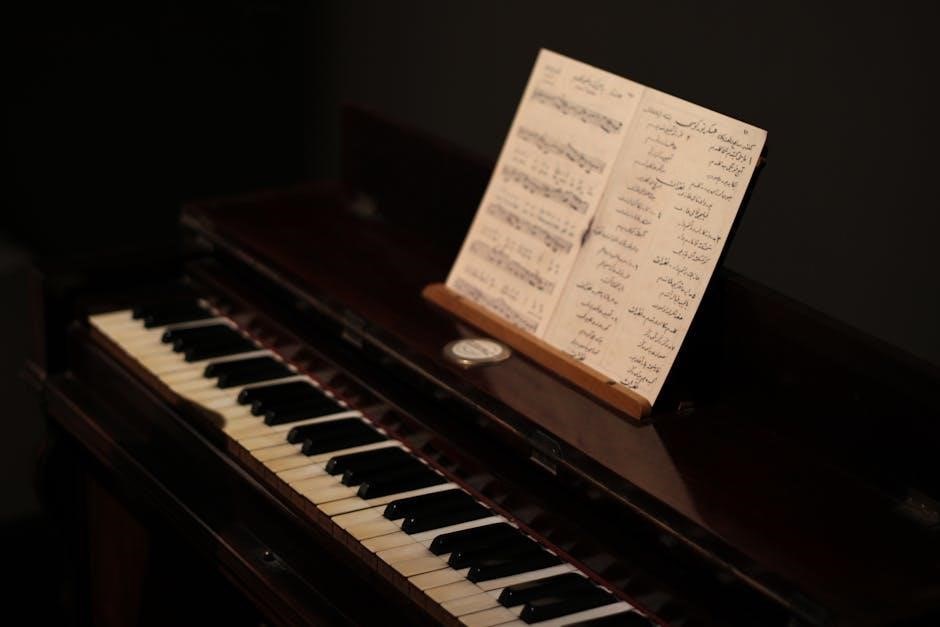
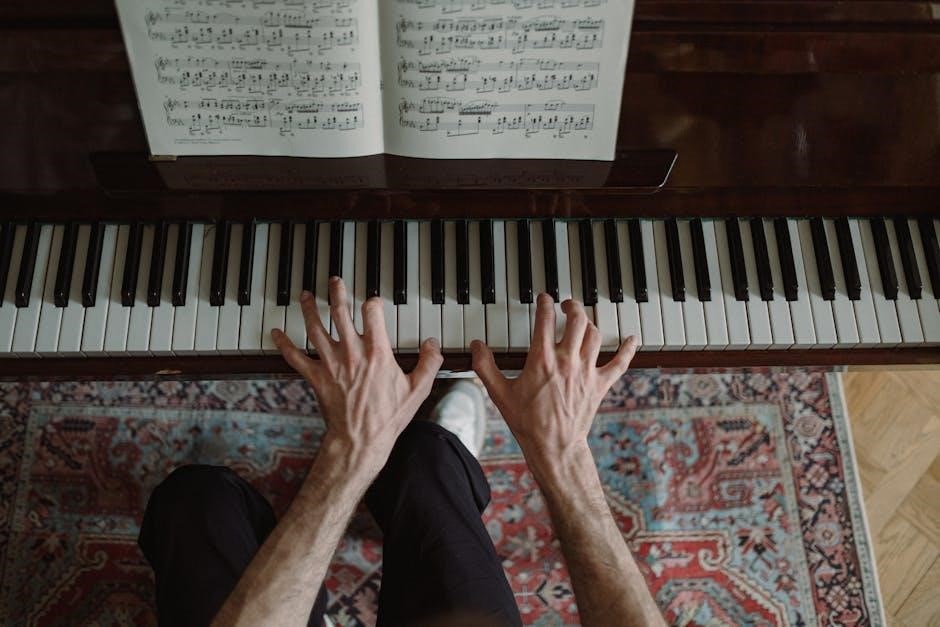
Fortunately, several online resources offer Liszt’s Etude No․ 6 in PDF format, including IMSLP, MuseScore, and Pianoshelf, providing convenient access․

IMSLP (International Music Score Library Project)

IMSLP, the International Music Score Library Project, stands as a cornerstone for musicians seeking public domain sheet music․ For Liszt’s Etude No․ 6, derived from Paganini’s Caprices, IMSLP offers multiple versions․ You can find both the original “Études d’exécution transcendante d’après Paganini, S․140” and the revised “Grandes études de Paganini, S․141”․

Specifically, the site notes that Nos․ 1 to 6 were revised in 1851 as S․141․ A PDF scan, uploaded by “piupianissimo” in February 2013, is available, linked to No․1a of S․140․ Access requires Javascript to submit files․ IMSLP is a reliable source, providing scanned scores often with historical context and editorial notes, making it invaluable for serious study and performance of this challenging etude․ The quality of scans can vary, but generally, IMSLP provides a solid foundation for accessing this piece․

MuseScore․com for Liszt Etude No․ 6

MuseScore․com presents another avenue for obtaining Liszt’s Etude No․ 6 in PDF or MIDI format․ The platform hosts user-submitted arrangements and transcriptions, offering a diverse range of options․ Specifically, sheet music for Piano (Solo) is readily downloadable․
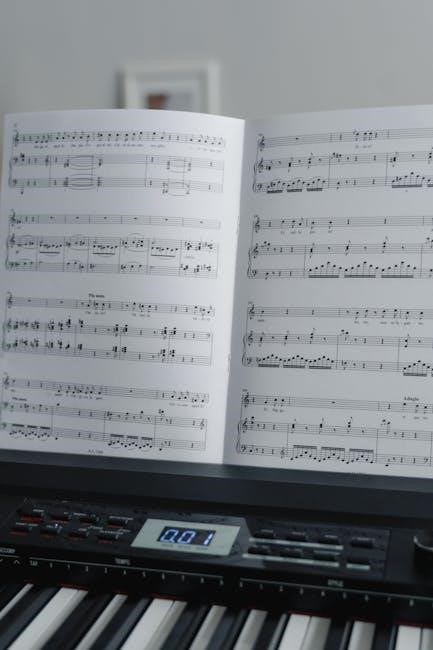
While IMSLP focuses on public domain scores, MuseScore includes both public domain and copyrighted material, often with varying levels of accuracy and editorial quality․ The listing indicates the sheet music was last updated on May 14, 2024․ Users can preview scores before downloading, and the platform facilitates community feedback․ It’s crucial to carefully review any MuseScore arrangement for errors before using it for serious practice or performance, but it provides convenient access to a potentially wider selection of versions․

Pianoshelf: A Source for Free Sheet Music

Pianoshelf distinguishes itself as a dedicated resource for free sheet music, and it features Liszt’s S․140 Etude No․ 6 (Theme and Variations)․ This online archive provides a direct download of the score, specifically composed for piano․ The availability is straightforward, offering a convenient option for pianists seeking accessible materials without cost․

The listing on Pianoshelf clearly identifies the composer as Liszt and the piece as Etude No․ 6, simplifying the search process․ The metadata indicates the composition was added to the platform on January 4, 2015․ While the site doesn’t offer extensive editorial features like IMSLP, it provides a reliable source for obtaining the basic score in PDF format, ideal for initial study and practice․

Other Online Sheet Music Retailers

Beyond free resources, several online sheet music retailers offer Liszt’s Etude No․ 6 in PDF format, though typically for a fee․ Websites like Musicnotes․com and SheetMusicPlus․com frequently stock arrangements of classical pieces, including those by Liszt․ These platforms often provide various editions, potentially including urtext editions or arrangements with specific fingerings․

While a direct link wasn’t provided, a search on these sites will likely yield results․ These retailers often offer previews, allowing you to assess the quality of the engraving and editing before purchasing․ Consider exploring options beyond the most prominent retailers, as smaller music stores may also have digital copies available․ Remember to check licensing terms and PDF quality before finalizing your purchase, ensuring it meets your needs for study and performance․

Understanding the Sheet Music

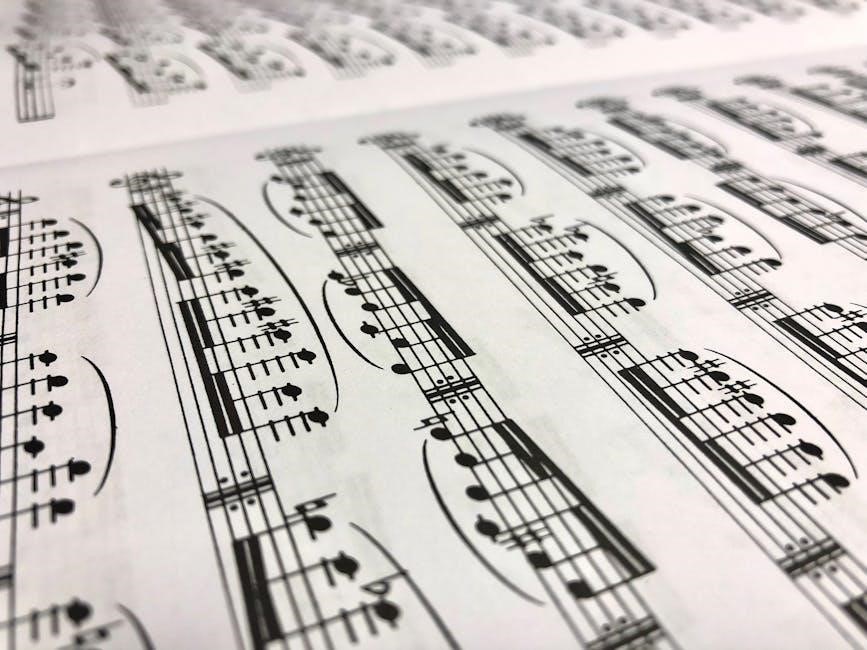
Liszt’s Etude No․ 6 PDF sheet music reveals a complex structure, demanding careful attention to key signatures, tempo, and dynamic markings for accurate interpretation․
Key Signature and Time Signature

Analyzing the PDF sheet music of Liszt’s Etude No․ 6 reveals a primary key of A minor, though the piece navigates through related harmonic territories, demanding a strong understanding of key changes․ The key signature, therefore, prominently features sharps, reflecting the harmonic landscape․

The time signature is consistently 6/8, creating a lilting, compound meter that contributes to the etude’s characteristic rhythmic drive and fluidity․ This 6/8 meter is crucial for accurately portraying the Paganini caprice’s original character․

Pianists should carefully observe how Liszt utilizes rhythmic variations within the 6/8 framework, including dotted rhythms and syncopation, to enhance the musical expression․ Mastering the interplay between the key and time signatures is fundamental to a successful performance, as evidenced in the readily available PDF versions found on platforms like IMSLP and MuseScore․

Tempo Markings and Dynamics

Examining the PDF sheet music of Liszt’s Etude No․ 6 reveals a primary tempo marking of Allegro, indicating a brisk and lively pace․ However, Liszt masterfully incorporates subtle tempo fluctuations, demanding nuanced interpretation from the performer․ The score is replete with dynamic markings, ranging from delicate pianissimo passages to powerful fortissimo outbursts․
These dynamic contrasts are integral to conveying the etude’s dramatic character and virtuosic flair․ Careful attention to crescendo and diminuendo markings, as presented in the PDF, is essential for shaping the musical phrases․

The score’s dynamic range isn’t merely about volume; it’s about color and expression․ Resources like MuseScore and IMSLP provide clear depictions of these markings, enabling pianists to unlock the full emotional depth of this challenging piece․

Fingering Suggestions

When studying the PDF sheet music for Liszt’s Etude No․ 6, fingering becomes paramount due to its technical demands․ While editions often include suggested fingerings, these should be viewed as starting points, not rigid rules․ The etude’s rapid passages and wide leaps necessitate careful planning to ensure fluidity and accuracy․
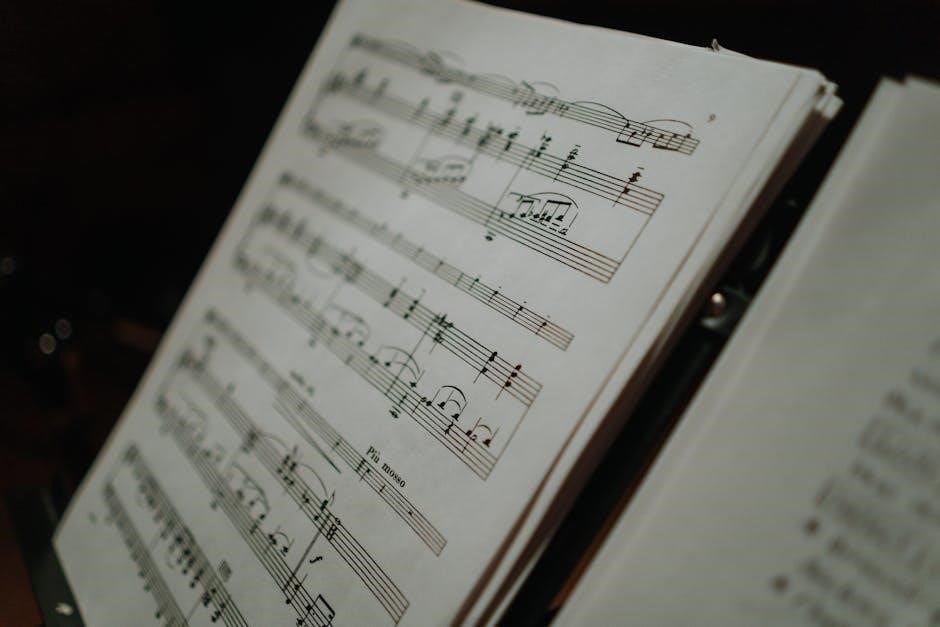
Pianists should prioritize fingerings that minimize hand tension and facilitate smooth transitions between notes․ Experimentation is key; what works for one hand size or technique may not suit another․

Resources like IMSLP and Pianoshelf offer various editions, potentially showcasing differing fingering approaches․ Analyzing these can broaden your understanding․ Remember, effective fingering, clearly marked in your PDF, is crucial for mastering this virtuosic work․

Variations within the Etude

Examining the PDF sheet music of Liszt’s Etude No․ 6 reveals a fascinating structure built around Paganini’s Caprice No․ 2․ The piece isn’t a single, monolithic challenge, but a series of variations on a theme, each demanding unique technical and musical approaches․

The initial theme, presented with clarity, is followed by increasingly complex variations․ These explore different textures, rhythms, and harmonic colors․ Careful study of the PDF score will highlight these shifts, revealing Liszt’s masterful development of the original material․

Understanding these variations – their character and technical requirements – is vital for a compelling performance․ Different editions available online, like those on IMSLP, may subtly differ in their presentation of these nuances․

Practice Strategies for Etude No․ 6

PDF sheet music facilitates focused practice; breaking down sections, developing hand independence, and utilizing memorization techniques are crucial for mastering this demanding Liszt etude․

Breaking Down Difficult Passages

Utilizing readily available PDF sheet music is the first step towards conquering Liszt’s Etude No․ 6․ This piece is notorious for its technical demands, requiring a strategic approach to practice․ Begin by isolating short, challenging phrases – perhaps just a measure or two at a time․ Focus intensely on these segments, practicing them slowly and repeatedly with a metronome․

Pay close attention to fingering; experiment with different options to find what feels most comfortable and efficient․ Once a small passage is secure, gradually increase the tempo․ Then, connect it to the preceding and following phrases, building up larger sections․ Don’t rush this process; accuracy and control are paramount․ The PDF allows for annotation, marking difficult spots and fingering choices directly on the score for future reference․ Remember, consistent, focused practice of these smaller units will ultimately lead to fluency in the entire etude․

Developing Hand Independence

Mastering Liszt’s Etude No․ 6, with the aid of accessible PDF sheet music, demands exceptional hand independence․ The piece features intricate passages where each hand performs vastly different, complex figures simultaneously․ A crucial exercise involves practicing each hand separately, focusing on rhythm and accuracy․ Once comfortable, slowly combine the hands, starting at a very slow tempo․

Use the PDF to highlight areas where hand coordination is particularly challenging․ Consider practicing these sections in rhythmically altered ways – for example, dotted rhythms or syncopation – to force your brain to process each hand’s part independently․ Regularly check for tension in your hands and arms, ensuring a relaxed and fluid technique․ Consistent, deliberate practice, guided by the visual clarity of the PDF score, will gradually build the necessary independence and control․
Memorization Techniques

Successfully memorizing Liszt’s Etude No․ 6, utilizing a readily available PDF sheet music version, requires a multi-faceted approach․ Begin by analyzing the harmonic structure; understanding the chord progressions provides a foundational framework․ Next, break the piece into smaller, manageable sections, memorizing each individually before linking them together․

Visualize the PDF score in your mind, not just the notes, but also the fingerings and dynamics․ Practice away from the piano, mentally playing through sections․ Employ aural memorization by listening to recordings while following along with the PDF․ Finally, perform the etude from memory frequently, gradually increasing the tempo and focusing on musical expression․ Consistent engagement with the PDF and these techniques will solidify the piece in your memory․


Byvelma

cruise duck tags pdf

The Cruise Duck Phenomenon: A Comprehensive Guide

Cruise duck tags often include social media handles, encouraging connection, or playful messages like “You found me!”
and “ConQUACKtulations!”.
Printable PDF templates are readily available for creating personalized tags, ensuring waterproof durability for the voyage.

Origins of the Cruise Duck Tradition

The cruise duck phenomenon began with a promotional effort by Royal Caribbean, distributing rubber ducks throughout their ships. However, the cruise line discontinued this practice, yet passengers enthusiastically embraced the quirky tradition, transforming it into a beloved, passenger-led activity. This organic continuation demonstrates the power of shared experiences and the joy of unexpected discoveries at sea.

Initially, the ducks were simply hidden for amusement, but the addition of tags quickly evolved the practice. These tags, often homemade or utilizing PDF templates, allowed “quackers” to connect, share their finds, and extend the fun to others. The tags became a crucial element, fostering a sense of community and encouraging participation in the ongoing duck hunt.

The use of PDF templates facilitated easy creation of personalized tags, often including social media handles, playful messages, and instructions to re-hide the duck, perpetuating the cycle of joy and connection throughout the cruise community.

The Discontinuation and Rise of Passenger-Led Hiding

Despite Royal Caribbean ceasing their official duck distribution, the tradition flourished, driven by passenger enthusiasm. This shift marked a pivotal moment, transforming a corporate promotion into a genuine, organic community activity. Passengers took ownership, independently hiding ducks and crafting personalized tags to enhance the experience;

The rise of passenger-led hiding necessitated a method for connection and tracking, leading to the widespread adoption of tags. Many utilized readily available PDF templates to create waterproof and visually appealing identifiers. These tags often included social media handles, encouraging “quackers” to share their finds and participate in the online community.

The accessibility of PDF templates empowered passengers to easily personalize their ducks and tags, fostering creativity and a sense of belonging. This passenger-driven evolution solidified the cruise duck phenomenon as a unique and enduring cruising tradition.

Why Rubber Ducks? The Appeal of the Quirk

The inherent silliness and nostalgia associated with rubber ducks contribute significantly to the phenomenon’s appeal. Their bright colors and playful nature instantly evoke a sense of fun and lightheartedness, perfectly complementing the vacation atmosphere of a cruise. The ducks themselves become a symbol of unexpected joy and a shared experience amongst passengers.

The addition of tags, often created using convenient PDF templates, elevates the quirk, transforming a simple rubber duck into a personalized treasure. These tags facilitate connection, allowing finders to engage with the hider via social media, extending the fun beyond the initial discovery.

The ducks’ unassuming nature encourages participation; anyone can hide or seek, fostering a sense of community. The use of PDF-created tags adds a layer of personalization and encourages the continuation of this delightful, quirky tradition.

Understanding Cruise Duck Tags

Cruise duck tags, often designed and printed from PDF templates, serve as connection points for passengers, fostering fun and social media engagement during the voyage.

Purpose of the Tags: Connection and Fun

Cruise duck tags aren’t merely decorative; they are integral to the experience, fostering a unique sense of community amongst cruisers. Often created using readily available PDF templates, these tags transform a simple rubber duck into a vehicle for connection. Passengers frequently include their social media handles on the tags, inviting finders to follow their cruise journey and potentially connect beyond the ship.

The tags also inject an element of playful fun, with common phrases like “You found me!”, “ConQUACKtulations!”, or “Keep or re-hide, you decide!” adding to the lighthearted spirit. They encourage participation in the ongoing hunt and promote the tradition of re-hiding ducks for others to discover. Ultimately, the tags transform a solitary find into an invitation to join a global, quacking community.

Common Tag Wording Examples

The creativity displayed on cruise duck tags is remarkable, but several phrases consistently appear, embodying the spirit of the hunt. Popular options include playful greetings like “You’ve found a duck!” and enthusiastic declarations of “ConQUACKtulations!” – a pun that’s become synonymous with the tradition. Many tags pose a question to the finder: “Keep or re-hide, you decide?”, encouraging continued participation.

Passengers also frequently include their social media handles, inviting new connections. Some opt for simple messages like “Enjoy your cruise!” or personalized notes. Utilizing easily customizable PDF templates allows for diverse wording. The tags often serve as a digital breadcrumb, leading to online communities of “quackers”. The goal is always to spread joy and continue the fun throughout the voyage and beyond.

Social Media Integration: Following the Quack

Cruise duck tags frequently incorporate social media handles, transforming the hunt into a connected experience. Finding a duck often prompts a post, tagging the original hider and sharing the joy with a wider audience. This creates a digital trail, allowing passengers to “follow the quack” and discover other hidden ducks throughout the ship.

Many utilize PDF templates to easily add their usernames. Online forums and dedicated social media groups become hubs for sharing finds and coordinating re-hides. Hashtags dedicated to cruise ducks facilitate broader discovery. This integration fosters a sense of community among “quackers,” extending the fun beyond the cruise itself. It’s a modern scavenger hunt, amplified by the power of social connection.

Creating Your Own Cruise Duck Tags (PDF Templates)

Personalizing your cruise duck experience begins with designing unique tags! Thankfully, numerous PDF templates are available online, offering a convenient starting point. These templates allow for easy customization, letting you add your social media handle, a quirky message, or even a small photo.

Software options range from simple word processors to dedicated graphic design programs. When selecting a template, consider waterproof paper or laminating your printed tags to withstand potential splashes. Many templates are designed for easy printing on standard paper sizes. The goal is a durable tag that can survive the cruise environment and encourage others to participate in the fun, spreading the “quack” far and wide!

DIY Cruise Ducks: Beyond the Basic Rubber Duck

Cruise duck tags enhance creatively decorated ducks—whether crocheted, painted, or accessorized—adding a personal touch and encouraging participation in the delightful onboard hunt.

Crocheted and Knitted Ducks

Crocheted and knitted cruise ducks represent a charming evolution beyond the standard rubber variety, offering a unique, handmade touch to the tradition. These textile ducks often showcase intricate designs, sailor outfits, or whimsical accessories, instantly making them stand out during the onboard hunts.

To fully integrate these creations into the cruise duck phenomenon, cruise duck tags are essential. These tags, often created using readily available PDF templates, allow cruisers to personalize their knitted or crocheted companions with social media handles, playful messages, or instructions for re-hiding.

The tags become a vital link, connecting “quackers” across different voyages and fostering a sense of community. Waterproofing the PDF-printed tags is crucial, protecting the information from potential splashes or humidity encountered during the cruise. The combination of a lovingly crafted duck and a personalized tag elevates the experience for both the hider and the finder.

Painted and Decorated Ducks

Painted and decorated cruise ducks offer a vibrant and personalized twist on the classic rubber duck tradition, allowing cruisers to express their creativity. From intricate designs to themed paint jobs – think sailor stripes or tropical patterns – these ducks become miniature works of art, eagerly sought after during onboard hunts.

To enhance the experience and connect with fellow “quackers,” cruise duck tags are indispensable. Utilizing readily available PDF templates, cruisers can create custom tags featuring their social media handles, encouraging others to share their finds online. These tags often include playful messages like “You found me!” or instructions to re-hide the duck for the next lucky passenger.

Ensuring the PDF-printed tags are waterproof is paramount, protecting the information from the elements encountered during the cruise. A beautifully painted duck paired with a personalized, durable tag truly embodies the spirit of the cruise duck phenomenon.

Personalizing Ducks with Accessories

Personalizing cruise ducks with accessories elevates the fun, transforming simple rubber ducks into unique and memorable treasures for fellow passengers to discover. Miniature hats, sailor outfits, tiny life vests, and even painted-on mustaches add character and charm, sparking joy during the onboard scavenger hunts.

To facilitate connection and track the duck’s journey, cruise duck tags are essential. Convenient PDF templates allow cruisers to easily design and print custom tags, often including social media handles for sharing finds and building a community. These tags might feature playful phrases like “Keep or re-hide!” or “Follow the quack!”

Protecting these personalized details requires durable, waterproof tags. Utilizing a laminated PDF printout ensures the tag remains legible throughout the cruise, enhancing the overall experience for both the hider and the finder.

Participating in the Cruise Duck Hunt

Cruise duck tags, often printed from PDF templates, guide finders to connect online, sharing discoveries and continuing the playful tradition throughout the voyage!

Where to Find Hidden Ducks

Cruise ducks appear in unexpected locations throughout the ship, sparking delightful surprises for passengers! Keep a keen eye while exploring public areas – think poolside, near the bars, in the casino, and even tucked away in the ship’s shops. Don’t overlook common walkways, seating areas, or even the elevators.

Often, these feathered friends are accompanied by creatively designed cruise duck tags, frequently printed from readily available PDF templates. These tags aren’t just for show; they often contain social media handles, inviting you to join the online “quackers” community. The hunt extends beyond obvious spots, so be observant and check less-traveled areas. Remember, the joy is in the discovery, and the tags often lead to further connections with fellow cruisers!

Rules of the Hunt: Keep or Re-Hide?

The core tenet of the cruise duck hunt is simple: find a duck, and you get to decide its fate! You can choose to keep the duck as a souvenir of your voyage, a charming memento of the fun. Alternatively, and very commonly, you can re-hide it for another passenger to discover, continuing the cycle of joy.

Many cruise duck tags, often created using easily accessible PDF templates, explicitly state “Keep or Re-Hide, You Decide!” This embodies the spirit of the tradition. If you re-hide, consider placing it in a new, equally exciting location. The goal is to spread the happiness! Remember to respect the game and avoid hoarding ducks – let others participate in the quacking good time!

Etiquette for Hiding Ducks

When participating in the cruise duck hunt, considerate hiding is key! Avoid placing ducks in areas that could cause obstructions, safety hazards, or interfere with ship operations. Think creatively – tucked into a deck chair, perched on a railing (securely!), or nestled amongst pool towels are good options;

Ensure your cruise duck tag, ideally printed from a readily available PDF template, is securely attached and legible. Consider laminating it for extra protection against water damage. Don’t hide ducks in private cabins or staff-only areas. The aim is inclusive fun for all passengers. Respect the ship and fellow cruisers, and remember, the joy is in the hunt and the sharing!

The Cruise Duck Community

Online forums and social media groups thrive with “quackers” sharing finds and PDF tag designs, fostering a global network of duck enthusiasts and hunters.

Online Forums and Social Media Groups

Numerous online platforms serve as vibrant hubs for the cruise duck community, facilitating connection and the exchange of information. Facebook groups dedicated to cruise ducks are incredibly popular, brimming with photos of discovered ducks and shared PDF tag designs.

These groups allow passengers to post sightings, request help with tag creation, and coordinate re-hiding efforts. Reddit’s r/Cruise subreddit frequently features discussions about the phenomenon, with users sharing their experiences and seeking explanations.

Dedicated forums also exist, offering a more structured environment for discussing the tradition. Many passengers share links to their custom-designed PDF templates for cruise duck tags, allowing others to personalize their own ducks. The collaborative spirit within these communities is a key element of the cruise duck’s enduring appeal.

Connecting with Fellow “Quackers”

The joy of cruise ducks extends beyond the hunt itself; it’s about forging connections with fellow passengers. Finding a duck with a unique PDF tag often sparks conversations and a shared sense of fun. Many tags include social media handles, enabling “quackers” to follow each other’s cruise adventures and duck-hiding exploits.

Sharing photos of discovered ducks and custom tag designs online fosters a sense of community. Passengers often re-hide ducks they find, leaving a new PDF tag with a message for the next lucky finder, continuing the cycle of joy.

This tradition transforms a simple rubber duck into a symbol of connection and camaraderie, enhancing the overall cruise experience. It’s a delightful way to meet new people and create lasting memories, all thanks to a little plastic bird and a thoughtfully designed PDF.

The Global Reach of Cruise Ducks

What began as a cruise line initiative has blossomed into a worldwide phenomenon, with rubber ducks appearing on voyages across the globe. Passengers are now actively hiding ducks – often adorned with personalized PDF tags – on cruises visiting destinations from the Caribbean to Scandinavia and beyond.

The use of social media, prominently featured on many PDF tags, amplifies this reach, allowing “quackers” to track ducks’ journeys and connect with fellow enthusiasts internationally; A duck hidden on one cruise might be found by someone from a different continent on a subsequent voyage!

This demonstrates the enduring appeal and adaptability of the cruise duck tradition. The simple act of hiding a duck with a unique PDF tag transcends geographical boundaries, creating a global community united by a shared love of quirky fun.

Cruise Duck Tag Design & PDF Creation

PDF templates simplify tag creation, while software options offer design flexibility. Waterproofing is crucial for durability, ensuring tags survive the cruise adventure!

Software Options for Tag Design

Designing cruise duck tags can range from simple to elaborate, and thankfully, numerous software options cater to all skill levels. For beginners, user-friendly programs like Canva offer pre-designed templates easily customizable with personal touches – perfect for creating vibrant and engaging tags. Microsoft Word also provides basic design capabilities, suitable for straightforward tag layouts.

More experienced designers might prefer Adobe Photoshop or Illustrator, granting precise control over every detail, allowing for intricate graphics and unique fonts. These professional tools are ideal for crafting truly standout tags. When selecting software, consider the desired complexity of your design and your familiarity with graphic design principles.

Remember to save your finished designs as high-resolution PDFs to ensure crisp printing. Many online converters can also transform other file types into PDF format, streamlining the process. Prioritize software that allows for bleed settings, ensuring a clean cut when printing your tags.

Printable PDF Templates for Cruise Duck Tags

Finding pre-made PDF templates for cruise duck tags simplifies the creation process significantly. Numerous websites and online communities offer free downloadable templates, ranging in style from whimsical to elegant. These templates typically include designated spaces for your social media handle, a personalized message, or a fun quip related to the duck hunt.

A quick online search for “cruise duck tag template PDF” yields a wealth of options. Many templates are designed to be printed on standard cardstock or waterproof paper, ensuring durability during the cruise. Consider templates with pre-cut lines for easy trimming.

Customization is key! Even with a template, you can personalize it further by adding unique graphics or altering the font. Remember to test print a sample tag before printing a large batch to ensure the layout and colors appear as desired. PDF format ensures consistent appearance across different devices.

Waterproof Considerations for Tags

Protecting your cruise duck tags from water damage is crucial, as they’ll likely encounter splashes and humidity during their journey. While PDF templates provide the design, the printing material dictates water resistance. Standard paper will quickly become illegible, rendering the tag useless.

Opting for waterproof paper is the most effective solution. Alternatively, laminating printed tags offers a protective barrier against moisture. Self-adhesive laminating sheets are readily available and easy to apply. Another option is to encase the tag in a small, clear plastic bag or utilize waterproof label paper during printing.

Consider the ink used; waterproof ink is preferable. Even with precautions, it’s wise to write legibly and simply, as some fading may occur. A well-protected tag ensures your message reaches the next “quacker”!

The Future of Cruise Ducks

Cruise duck tags, potentially incorporating QR codes linking to online communities, will likely fuel continued growth and facilitate organized hunts globally.

Continued Growth of the Tradition

The enduring popularity of cruise ducks demonstrates a delightful quirk embraced by passengers worldwide, and cruise duck tags are central to this phenomenon. The tradition’s expansion is fueled by social media sharing, with passengers documenting their finds and re-hides, often utilizing tags displaying handles for connection.

Expect to see increased sophistication in tag design, moving beyond simple messages to incorporate personalized artwork and even QR codes linking to dedicated online groups. The availability of easily customizable PDF templates for printing waterproof tags will further empower passengers to participate.

This accessibility, combined with the inherent joy of the hunt, suggests the cruise duck tradition isn’t a fleeting trend, but a lasting element of cruise culture, continually evolving with passenger creativity and technological advancements in tag creation.

Potential for Organized Hunts

As the cruise duck phenomenon gains momentum, the possibility of officially organized hunts emerges, enhancing the experience for “quackers” onboard. Cruise lines could introduce themed hunts, with clues and designated hiding spots, all facilitated by uniquely designed cruise duck tags.

These tags could incorporate QR codes linking to hunt instructions or leaderboards, fostering friendly competition. The use of PDF templates allows for easy creation of branded tags for specific events, adding a professional touch.

Imagine scavenger hunts tied to port days or ship amenities! Such initiatives would require coordination, but the potential to build community and generate excitement is significant, solidifying the cruise duck tradition as a core onboard activity.

The Enduring Appeal of a Simple Joy

The cruise duck tradition, at its heart, represents a delightful return to childlike wonder and spontaneous connection. The simple act of hiding and finding a rubber duck, often accompanied by a personalized cruise duck tag, transcends age and background, fostering a sense of shared joy amongst passengers.

The accessibility of creating custom tags using readily available PDF templates empowers everyone to participate, adding a personal touch to the experience. It’s a low-cost, high-reward activity that brightens voyages and creates lasting memories.

In a world often dominated by complex entertainment, the enduring appeal lies in its simplicity – a small, unexpected gift that sparks smiles and encourages interaction, proving that sometimes, the simplest pleasures are the most profound.

Byvelma

alpha’s rejected mate by skylar pdf free download

Alphas Rejected Mate by Skylar: A Comprehensive Guide (Updated April 15, 2026)

NovelCat offers a free download of the alpha s rejected mate by skylar series, providing access to novels and short stories.
Download their app for enhanced reading!

Alphas Rejected Mate, penned by Skylar (and published under CRATER), has rapidly gained traction within the werewolf romance and fantasy genres. The series, currently comprising three books, centers around Mira, a young werewolf whose destined mate – the powerful Alpha King, Benson Walton – rejects her following a treacherous setup orchestrated by her rival, Selma Payne. This initial rejection plunges Mira into a harrowing existence as a tormented slave.

The narrative quickly escalates, blending elements of drama, fantasy, and surprisingly, horror, due to the depiction of Mira’s enslavement. Readers are drawn into a complex world of shifting alliances, power struggles, and the enduring search for redemption. The story’s accessibility is further enhanced by platforms like NovelCat, which provides a free download option, allowing a wider audience to experience Mira’s journey. However, users should be aware of potential risks associated with unofficial download sources.

The series’ popularity is also evident through its adaptation into a 2023 TV mini-series, and active discussions on platforms like Reddit, demonstrating a dedicated and engaged fanbase.

The Core Plot: Mira’s Rejection and Torment

The central conflict of Alphas Rejected Mate revolves around Mira’s devastating rejection by Alpha King Benson Walton. This isn’t a simple dismissal; she’s falsely accused of attempting to harm his brother, a manipulation masterminded by the jealous Selma Payne. This betrayal immediately transforms Mira’s fate from a promising future as Luna to a brutal reality as a tormented slave.

The narrative doesn’t shy away from depicting the harshness of her captivity, contributing to the series’ darker, horror-tinged elements. While readily available for reading – with options like a free download on platforms such as NovelCat – the story’s intensity is a key component of its appeal.

The plot hinges on Mira’s resilience and the eventual intervention of the Alpha King, who seemingly recognizes the injustice. The series explores themes of false accusations, power dynamics, and the potential for redemption amidst profound suffering, captivating readers and fueling online discussions.

Skylar, the Author: Background and Writing Style

Information regarding Skylar, the author behind Alphas Rejected Mate, remains somewhat limited, with “CRATER” listed as a publisher on Amazon for the book series. However, the writing style is demonstrably characterized by a blend of passionate romance, intense drama, and unsettling horror elements. The narrative doesn’t shy away from exploring dark themes, particularly concerning torment and slavery, which contribute to the series’ emotional weight.

Readers seeking access to the story, potentially through a free download on platforms like NovelCat, will encounter a style that prioritizes emotional impact and dramatic tension. Skylar effectively utilizes tropes common within the werewolf romance genre while simultaneously introducing elements of suspense and intrigue.

The author’s ability to craft compelling characters and a fast-paced plot has garnered a dedicated fanbase, evidenced by active discussions on platforms like Reddit.

Book Details & Availability

Alphas Rejected Mate books are available on Amazon (ISBNs 9798859465804 & 9798859470303). NovelCat offers a free PDF download option.

Alphas Rejected Mate (Book 1/3): ISBN 9798859465804

Alphas Rejected Mate (Book 1/3), identified by ISBN 9798859465804, marks the thrilling beginning of Skylar’s captivating werewolf romance saga. This initial installment introduces readers to Mira, a young werewolf whose destined mate, Alpha King Benson Walton, shockingly rejects her. This rejection isn’t simply a heartbreak; it’s a catalyst for a descent into torment and slavery orchestrated by the jealous Selma Payne.

Readers seeking a free PDF download can explore platforms like NovelCat, which hosts the complete series. However, caution is advised when utilizing such sources due to potential risks associated with unauthorized downloads. Purchasing directly from Amazon ensures support for the author and a secure reading experience. The narrative quickly establishes the core conflict and sets the stage for Mira’s journey of survival and potential redemption. This book is a cornerstone for understanding the entire series’ complex dynamics.

Alphas Rejected Mate (Book 3/3): ISBN 9798859470303

Alphas Rejected Mate (Book 3/3), bearing ISBN 9798859470303, delivers the climactic resolution to Mira’s harrowing journey. Following her enslavement and the Alpha King’s eventual intervention, this final book explores the aftermath of betrayal, the fight for freedom, and the potential for a renewed connection with Benson Walton; The narrative delves deeper into the power dynamics within the werewolf world and the consequences of past actions.

For readers interested in a free PDF download, platforms like NovelCat offer access to the complete series. However, it’s crucial to exercise caution when downloading from unofficial sources, as they may pose security risks. Purchasing from authorized retailers like Amazon directly supports Skylar and guarantees a safe reading experience. This concluding volume ties up loose ends and provides a satisfying, albeit emotionally charged, finale to Mira and Benson’s story.

Where to Read Online: Anystories Platform

Anystories presents a convenient avenue for readers to immerse themselves in the world of Alphas Rejected Mate online. The platform boasts a collection of 0 stories from Skylar, offering a readily accessible reading experience without the need for downloads. Users can explore the romance and fantasy elements of the series directly through their web browser or the Anystories app.

While the desire for a free PDF download is understandable, Anystories provides a legal and safe alternative. The platform’s extensive library of romance and fantasy fiction caters to diverse tastes, and reading online ensures you’re supporting the author. Be mindful of potential risks associated with unofficial download sites, which may contain malware or compromised files. Anystories offers a streamlined and secure way to follow Mira’s tumultuous journey.

Free Download Options: NovelCat and Potential Risks

NovelCat advertises access to alpha s rejected mate by skylar books and novels for free download, encouraging readers to enjoy the series without cost. They even promote downloading their app for a more comprehensive reading experience. However, exercising caution when seeking free downloads is crucial.

Unofficial sources often pose significant risks. Downloading from unverified websites can expose your devices to malware, viruses, and potentially harmful software. These sites frequently lack proper security measures, compromising your personal information. Furthermore, accessing copyrighted material illegally is a violation of intellectual property rights and undermines the author’s work. While the allure of a free PDF is strong, prioritize safety and legality. Consider supporting Skylar through official platforms like Amazon or Anystories to ensure continued content creation.

Characters & Relationships

Mira, the rejected mate, faces turmoil from Benson Walton and Selma Payne. Complex dynamics drive the plot, explored within the alpha s rejected mate by skylar series.

Mira: The Rejected Mate – Character Profile

Mira is the central figure in Skylar’s Alphas Rejected Mate, initially destined to be the mate of Alpha King Benson Walton. However, a cruel setup orchestrated by her rival, Selma Payne, leads to a devastating rejection and a fall from grace. Accused of harming the Alpha’s brother, Mira endures a horrific transformation from a hopeful future Luna to a tormented slave.

Her character arc revolves around resilience and survival amidst unimaginable hardship. The narrative details her suffering, highlighting the emotional and physical torment inflicted upon her. Despite facing betrayal and cruelty, Mira demonstrates inner strength and a determination to overcome her circumstances. The alpha s rejected mate by skylar story, available for free download on platforms like NovelCat, meticulously portrays her journey.

Mira’s fate becomes intertwined with themes of injustice and the potential for redemption, captivating readers with her plight and the hope for a brighter future.

Benson Walton: The Alpha King and His Rejection

Benson Walton, the Alpha King, is a pivotal character in Skylar’s Alphas Rejected Mate. Initially believing Mira to be a threat after she’s falsely accused of attacking his brother, he delivers the devastating rejection that sets the story in motion. This decision plunges Mira into a life of torment and slavery, fueling the central conflict of the narrative.

Walton’s character is complex, grappling with duty, trust, and the weight of his position. The story, readily available as an alpha s rejected mate by skylar pdf free download on sites like NovelCat, explores his internal struggles and eventual realization of the deception. His initial judgment, though harsh, is presented within the context of protecting his pack and family.

Ultimately, Walton’s arc involves acknowledging his mistake and seeking to rectify the injustice inflicted upon Mira, hinting at a potential path towards redemption and a rekindled connection.

Selma Payne: The Rival and Her Role in Mira’s Fate

Selma Payne serves as the primary antagonist in Skylar’s Alphas Rejected Mate, driven by jealousy and a desire to secure her position as Benson Walton’s Luna. She orchestrates a manipulative scheme to frame Mira, falsely accusing her of harming Walton’s brother, leading to Mira’s brutal rejection and subsequent enslavement.

Selma’s character embodies ambition and ruthlessness, willing to exploit others to achieve her goals. The narrative, accessible through a alpha s rejected mate by skylar pdf free download on platforms like NovelCat, details her calculated actions and the devastating consequences they inflict upon Mira. Her motivations stem from a deep-seated insecurity and a belief in her own superiority.

A pivotal moment, highlighted in online discussions and readily available in the novel, involves Walton’s eventual rejection of Selma, recognizing her deceitful nature and the harm she has caused.

The Alpha’s Brother: Catalyst for Conflict

The Alpha’s brother plays a crucial, albeit indirect, role in initiating the central conflict of Skylar’s Alphas Rejected Mate. He becomes the unwitting pawn in Selma Payne’s elaborate plot to dismantle Mira’s standing and secure her own position as Luna to Benson Walton.

Selma frames Mira for an attack on the brother, leveraging this false accusation to incite Walton’s wrath and ultimately trigger Mira’s rejection and subsequent torment. This event, detailed in readily available resources like a alpha s rejected mate by skylar pdf free download on NovelCat, sets the entire narrative in motion.

While his direct involvement is minimal, the brother’s vulnerability is exploited, making him a key catalyst for the suffering endured by Mira. His well-being is used as a weapon, driving the plot forward and highlighting the depths of Selma’s malice.

Themes and Genre

Alphas Rejected Mate blends werewolf romance with drama and horror. Readers seeking a pdf free download will find tales of rejection, redemption, and torment.

Werewolf Romance: Core Elements and Tropes

Alphas Rejected Mate deeply embeds itself within the established conventions of werewolf romance, while simultaneously twisting familiar tropes. The core narrative revolves around the destined mate bond – a powerful, often unbreakable connection – and the devastating consequences when that bond is violently severed. This series explores the pain of rejection, a central theme resonating with readers seeking emotionally charged stories.

Expect the classic alpha male archetype, powerfully portrayed by Benson Walton, alongside a vulnerable yet resilient female lead, Mira. The dynamic between them, initially promising, is shattered by betrayal and circumstance. Common tropes like fated mates, power imbalances, and pack dynamics are all present, but Skylar adds layers of complexity through the introduction of slavery and intense torment, pushing the boundaries of the genre.

Readers searching for a pdf free download will discover a story that utilizes these tropes to explore themes of resilience, survival, and ultimately, the potential for reclaiming agency even after profound loss. The allure of forbidden love and the struggle for acceptance are powerfully woven throughout the narrative.

Drama and Fantasy: Blending Genres

Alphas Rejected Mate masterfully blends the heightened emotions of dramatic romance with the fantastical elements of a richly imagined werewolf world. While categorized as a werewolf romance, the narrative extends far beyond simple courtship rituals and pack politics. The story plunges readers into a world governed by alpha hierarchies, supernatural abilities, and the constant threat of power struggles.

The dramatic core stems from Mira’s brutal rejection and subsequent enslavement, creating a compelling narrative of suffering and resilience. This isn’t a lighthearted romance; it’s a story steeped in darkness and fueled by betrayal. The fantasy aspects – the werewolf transformations, the alpha’s power, and the existence of a complex social structure – provide the backdrop for this intense drama.

Those seeking a pdf free download will find a story that isn’t afraid to explore darker themes, offering a compelling escape into a world where love and survival are constantly at odds. The blend creates a captivating and emotionally resonant experience.

Horror Elements: Torment and Slavery Aspects

Alphas Rejected Mate doesn’t shy away from disturbing content, incorporating significant horror elements centered around Mira’s torment and enslavement. The narrative details the brutality she endures after being falsely accused and rejected by Alpha King Benson Walton, plunging her into a horrific situation. This isn’t merely emotional distress; the story depicts physical and psychological abuse, creating a genuinely unsettling reading experience.

The depiction of slavery within the werewolf world adds another layer of darkness, exploring themes of power, control, and dehumanization. Readers seeking a pdf free download should be aware of these graphic elements, as they are central to the plot and Mira’s character arc. The author utilizes these aspects to highlight Mira’s strength and eventual fight for redemption.

While categorized as romance, the horror elements are substantial and contribute significantly to the story’s overall impact, making it a challenging but compelling read.

Rejection and Redemption: Central Themes Explored

Alphas Rejected Mate profoundly explores the devastating impact of rejection and the arduous journey towards redemption. Mira’s initial rejection by Benson Walton, fueled by Selma Payne’s deceit, sets the stage for her suffering and subsequent fight for self-worth. This rejection isn’t simply a romantic setback; it’s a public humiliation and a catalyst for her torment.

However, the narrative doesn’t dwell solely on despair. It meticulously charts Mira’s path to reclaiming her agency and finding strength amidst adversity. The possibility of a pdf free download allows wider access to this compelling story of resilience. The theme of redemption extends beyond Mira, with potential for other characters to confront their past actions.

Ultimately, the story suggests that even after profound rejection and hardship, healing and a new beginning are possible, making it a powerful exploration of the human (or werewolf) spirit.

Series Progression & Related Works

Alphas Rejected Mate Returns as Queen continues the saga, while discussions on Reddit explore “Blood and Silver”. A pdf free download expands access!

Alphas Rejected Mate Returns as Queen: Sequel Overview

Alphas Rejected Mate Returns as Queen picks up the narrative following the tumultuous events of the initial trilogy. The story delves deeper into Mira’s journey as she navigates her newfound power and destiny, ultimately rising to claim her rightful place. The sequel explores the complexities of leadership and the challenges of rebuilding trust after betrayal.

A pivotal moment arrives when Benson Walton decisively rejects Selma Payne, declaring, “I, Benson Walton, reject you, Selma Payne, from being my future Luna and mate.” This act signifies a turning point, clearing the path for Mira’s ascendance. Readers can anticipate a compelling blend of romance, political intrigue, and supernatural conflict as Mira embraces her role as Queen.

While official purchasing options exist, the demand for accessibility has led to searches for a pdf free download of this continuation, highlighting the series’ dedicated fanbase. However, caution is advised when seeking such downloads due to potential risks associated with unofficial sources.

Connections to “Blood and Silver: Rise of the Alphas Rejected Mate” (Reddit Discussion)

A vibrant discussion on r/romancenovels centers around “Blood and Silver: Rise of the Alphas Rejected Mate,” exploring potential connections to Skylar’s original series. Fans theorize about shared universe elements, character cameos, and expanded lore, suggesting a broader interconnected narrative.

The Reddit thread frequently surfaces alongside searches for an alpha s rejected mate by skylar pdf free download, indicating a desire among readers to fully immerse themselves in the author’s world. Users speculate on whether “Blood and Silver” serves as a prequel, sequel, or a spin-off, enriching the existing storyline.

Discussions also touch upon the availability of the series, with some users sharing links (often cautioned against due to copyright concerns) and others seeking legitimate reading options. The community’s enthusiasm demonstrates the enduring appeal of Skylar’s work and its capacity to inspire fan-driven exploration.

The TV Mini-Series (2023): Adaptation Details

The 2023 TV Mini-Series adaptation of “Alphas Rejected Mate” received a 6.7 rating, categorized as Drama, Fantasy, and Horror. The plot centers on Mira, a young werewolf falsely accused and reduced to slavery after a setup orchestrated by a jealous rival. The series highlights her torment and eventual rescue by the Alpha King.

Interestingly, searches for an alpha s rejected mate by skylar pdf free download often spike around the release and availability of streaming platforms featuring the mini-series. This suggests a correlation between wanting to read the source material and experiencing the visual adaptation.

While the mini-series offers a different interpretation, it remains faithful to the core themes of rejection, power dynamics, and eventual redemption. Fans discuss the casting choices and deviations from the novel online, fueling further interest in both the original work and its adaptation.

Reader Reception & Community

NovelCat and Anystories users share feedback, while Amazon reviews detail sentiment. Interest in a free PDF download impacts online discussion volume.

Amazon Reviews: Overall Sentiment and Criticisms

Amazon.com lists Alphas Rejected Mate (Book 1/3) and (Book 3/3) by Skylar, published by CRATER, with ISBNs 9798859465804 and 9798859470303 respectively. While specific review details aren’t directly provided in the source material, the availability on Amazon suggests a degree of reader engagement.

The prevalence of searches for a “pdf free download” indicates a desire for accessible reading options, potentially influencing purchasing decisions. Readers seeking free access might turn to platforms like NovelCat, but this could impact official sales. Reviews likely address the series’ core themes – werewolf romance, drama, and darker elements like torment and slavery – and the character dynamics between Mira, Benson Walton, and Selma Payne.

Criticisms might focus on pacing, character development, or the handling of sensitive themes. Positive reviews likely praise the emotional intensity and fantastical world-building. The availability of both Book 1 and Book 3 suggests a completed storyline, which could be reflected in review summaries.

Reddit Discussions (r/romancenovels): Fan Theories and Analysis

On Reddit’s r/romancenovels, discussions surrounding “Blood And Silver: Rise Of The Alphas Rejected Mate” demonstrate significant fan engagement with Skylar’s work. The search for an “alphas rejected mate by skylar pdf free download” likely fuels conversations about accessibility and the ethics of obtaining content outside official channels.

Fan theories likely dissect Mira’s journey from rejected mate to potential queen, analyzing the motivations of Benson Walton and the antagonistic role of Selma Payne. Discussions may explore the power dynamics within the werewolf hierarchy and the implications of the Alpha’s rejection.

Users probably debate the effectiveness of the series’ blend of romance, fantasy, and horror elements, and speculate on the future of the characters. The TV mini-series adaptation (2023) is also a likely topic, with fans comparing it to the source material and offering critiques.

NovelCat and Anystories User Feedback

NovelCat and Anystories, platforms offering access to “alphas rejected mate by skylar” – including options for a “pdf free download” – receive varied user feedback. Many appreciate the convenience of reading novels online and the availability of free content, particularly for series like this one.

However, concerns regarding the legality and safety of downloading PDFs from unofficial sources are prevalent. Users discuss potential risks associated with downloading from sites offering free downloads, including malware and viruses. Some express frustration with ad frequency on these platforms.

Positive feedback highlights the platforms’ extensive libraries and user-friendly interfaces. Readers enjoy exploring the romance and fantasy genres offered. Discussions often center on character development and plot twists within the series, demonstrating strong reader engagement.

Byvelma

wilbarger brushing protocol pdf

Wilbarger Brushing Protocol: A Comprehensive Overview

The Wilbarger Brushing Protocol, developed by Patricia Wilbarger, is a therapeutic technique utilizing deep pressure tactile input. It’s designed to address sensory defensiveness and improve tactile processing, often documented in readily available PDF guides.

What is the Wilbarger Brushing Protocol?

The Wilbarger Brushing Protocol, formally known as Deep Pressure and Proprioceptive Technique (DPPT), is a specialized sensory integration therapy. It employs a specific surgical-grade brush to deliver deep pressure tactile stimulation to the skin. This isn’t simply a soothing massage; it’s a carefully sequenced procedure designed to modulate the nervous system’s response to touch.

Often detailed in comprehensive PDF guides available online, the protocol involves systematically brushing the arms and legs, followed by crucial joint compressions. These compressions target key areas – head, shoulders, trunk, arms, and legs – enhancing joint perception and providing proprioceptive feedback. The aim is to help individuals better identify and process tactile inputs, reducing sensory defensiveness.

It’s important to note that the protocol is not a standalone treatment but rather a tool used by trained therapists. Resources like All About Therapy, PLLC, and North Shore Pediatric Therapy highlight its application across a wide age range, from infants to adults. Always consult a qualified occupational therapist before implementing this technique, as improper application can be ineffective or even counterproductive. Many PDF resources emphasize this crucial point.

History and Development of the Protocol

The Wilbarger Brushing Protocol originated with the work of occupational therapist Patricia Wilbarger, who meticulously researched and developed the technique over several decades. Her initial observations focused on children exhibiting tactile defensiveness and difficulties with sensory processing. Recognizing a need for a structured intervention, she began experimenting with deep pressure stimulation using specialized brushes.

The protocol’s evolution involved rigorous observation and refinement, leading to the specific brushing patterns and joint compression sequences now integral to the technique. Detailed documentation, often found in PDF format outlining the procedure, reflects this iterative process. Wilbarger’s work aimed to recalibrate the nervous system’s response to touch, reducing hypersensitivity and improving sensory integration.

However, a significant challenge has emerged: official Wilbarger training is no longer offered. This has led to concerns, voiced on platforms like r/OccupationalTherapy, regarding the fidelity of the protocol’s implementation. Many now believe that training directly from a certified instructor, or from someone trained by one, is essential. Accessing reliable information, often through older PDF training materials, becomes crucial for practitioners.

The Core Principles of DPPT

The Wilbarger Deep Pressure and Proprioceptive Technique (DPPT) centers around the idea that controlled, deep pressure tactile input can modulate the nervous system. This input aims to decrease sensory defensiveness and enhance a person’s awareness of their body in space – proprioception. The technique isn’t simply about ‘feeling’ the touch, but about organizing neurological responses.

A key principle is the sequential application of brushing followed immediately by joint compressions. This pairing is crucial; the brushing provides the tactile stimulation, while the compressions reinforce joint position and movement, aiding in neurological re-organization. Detailed protocols, often available as a PDF guide, emphasize this specific order.

DPPT leverages the brain’s natural tendency to seek organizing sensory input. By providing this input in a controlled manner, the protocol aims to improve the brain’s ability to process and integrate tactile information. The technique can be adapted – brushing over clothing is suggested for highly sensitive individuals. Understanding these core principles, often detailed in training PDFs, is vital for effective implementation.

Indications for Use: Who Can Benefit?

The Wilbarger Brushing Protocol can benefit individuals across a wide age range, from as young as two months old to adulthood, exhibiting sensory processing difficulties. Specifically, it’s often used for those with tactile defensiveness – an aversion to touch – manifesting as negative reactions to light touch, clothing, or everyday activities.

Children with Autism Spectrum Disorder (ASD) frequently benefit, as sensory sensitivities are common. Individuals with Sensory Processing Disorder (SPD), impacting daily functioning, are also prime candidates. The protocol can assist those with difficulties in motor planning, coordination, and postural control, improving body awareness.

However, it’s crucial to note that a qualified therapist should assess suitability. Detailed information regarding appropriate candidates and contraindications is often found within comprehensive PDF guides outlining the protocol. The technique isn’t a ‘cure-all’ but a tool to improve sensory integration, enhancing participation in daily life. Accessing a PDF resource can help determine if it’s a suitable intervention.

Contraindications and Precautions

While generally safe, the Wilbarger Brushing Protocol isn’t suitable for everyone. Certain medical conditions necessitate caution or outright contraindication. Individuals with open wounds, skin infections, rashes, or fragile skin should not undergo the brushing procedure.

Those with low platelet counts or taking blood thinners require careful consideration due to the potential for bruising. Uncontrolled seizures or a history of significant trauma also warrant caution. It’s vital to avoid brushing over areas of inflammation or recent surgery;

A crucial precaution is the necessity of training; the protocol should only be implemented by, or under the direct supervision of, a qualified therapist. Many comprehensive PDF guides emphasize this point. Self-implementation, without proper instruction, can be ineffective or even harmful. Always consult a healthcare professional before starting, and detailed contraindications are often listed within a PDF resource outlining the protocol’s safety guidelines.

Required Materials: The Therapeutic Brush

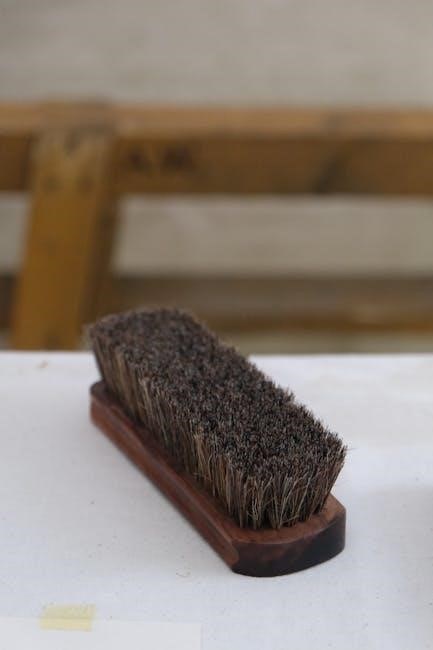
The cornerstone of the Wilbarger Brushing Protocol is a specific therapeutic brush, often referred to as a Therapressure brush. It’s not simply any brush; its design is critical to delivering the intended deep pressure tactile input. These brushes typically feature densely packed, soft bristles – often surgical-grade – mounted on a plastic handle.

Finding the correct brush is paramount, and detailed specifications are frequently included in PDF guides detailing the protocol. The bristles must be soft enough to avoid causing discomfort or skin irritation, yet firm enough to provide substantial pressure.

Many resources, including those available as a PDF download, recommend purchasing brushes from reputable suppliers to ensure quality and adherence to Wilbarger’s original specifications. While alternatives exist, using a brush specifically designed for this protocol is strongly advised. Amazon.com offers 2-packs of these brushes, but always confirm suitability with a trained therapist before use, as emphasized in accompanying materials and PDF instructions.

The Wilbarger Brush: Specifications and Features

The therapeutic brush central to the Wilbarger Brushing Protocol possesses distinct characteristics. It’s typically 12 inches in length, featuring a rectangular brush head with densely packed, extremely soft surgical bristles. These bristles are crucial, differentiating it from standard brushes; they deliver deep pressure without causing abrasion or pain.

Detailed specifications, often found within comprehensive PDF guides on the protocol, emphasize the importance of bristle density and softness. The handle is usually made of durable plastic, designed for a firm grip during application. The brush isn’t intended for general grooming; its sole purpose is therapeutic.

Information available as a PDF resource highlights that the brush’s design facilitates proprioceptive input alongside tactile stimulation. It’s vital to source brushes from reliable suppliers to guarantee adherence to these specifications. Many PDF resources caution against using substitutes, as they may not deliver the intended therapeutic effect. Proper brush selection, as detailed in protocol PDFs, is fundamental to safe and effective implementation.

Step-by-Step Brushing Procedure ─ Arms and Legs

The Wilbarger Brushing Protocol’s arm and leg procedure begins with the individual lying down or seated comfortably. Using the specialized brush, begin at the hands or feet and brush upwards towards the heart. Detailed PDF guides recommend three strokes per limb – a crucial element for consistent application.

Maintain moderate, consistent pressure, as illustrated in instructional PDFs. The brushing motion should be firm yet gentle, avoiding tickling or light strokes. For individuals with heightened sensitivity, the brush can initially be applied over clothing, as noted in several PDF resources.

Always brush the entire length of the arm or leg with each stroke. Many PDFs emphasize the importance of a rhythmic, flowing motion. Following the brushing, immediate joint compressions are essential – a step frequently detailed in protocol PDFs. Adhering to these steps, as outlined in a PDF, ensures the protocol’s effectiveness and safety.

Brushing Technique: Pressure and Direction

The Wilbarger Brushing Protocol emphasizes a specific brushing technique detailed in available PDF guides. Moderate pressure is key – firm enough to provide deep pressure stimulation, but not so hard as to cause discomfort. Many PDF resources stress avoiding light, ticklish strokes, as these defeat the protocol’s purpose.

Directionally, brushing always proceeds towards the heart. This supports lymphatic drainage and proprioceptive input, as explained in comprehensive PDF documentation. Strokes should be long and flowing, covering the entire length of the limb with each pass. Instructional PDFs often illustrate this directional aspect.

For sensitive individuals, initial brushing through clothing is recommended, as highlighted in several PDFs. Consistent pressure and direction are paramount, and detailed PDFs often include visual guides; Remember, the goal is deep pressure, and a well-structured PDF will reinforce this principle.

Brushing Duration and Frequency

Determining appropriate brushing duration and frequency is crucial, and detailed guidance is often found within Wilbarger Brushing Protocol PDF resources. Typically, each arm and leg receives three brisk strokes, as commonly outlined in instructional PDFs. Palmar and plantar brushing usually lasts around five seconds per hand and foot, a detail frequently included in PDF guides.

The frequency of brushing sessions varies depending on individual needs, but many PDFs recommend starting with once or twice daily. It’s essential to observe the individual’s response and adjust accordingly, a point emphasized in numerous PDF documents. Over-stimulation can be counterproductive, so careful monitoring is vital.

Comprehensive PDFs often advise that the protocol is most effective when consistently applied. However, always consult a qualified therapist, as PDFs are supplementary and should not replace professional advice. Detailed PDFs will also highlight the importance of following joint compressions immediately after brushing.

Palmar and Plantar Brushing

Palmar and plantar brushing, detailed in many Wilbarger Brushing Protocol PDF guides, involves applying the therapeutic brush to the palms of the hands and soles of the feet. This step aims to provide deep pressure stimulation to these areas, enhancing proprioceptive input and contributing to overall sensory regulation. PDF resources typically recommend approximately five seconds of brushing for each hand and foot.

The technique, as illustrated in PDF instructional materials, involves firm, controlled strokes. It’s important to observe the individual’s reaction; if sensitivity is high, the brush can initially be used vertically over clothing, as suggested in some PDFs. This modification allows for a gentler introduction to the deep pressure.

PDF guides consistently emphasize that palmar and plantar brushing are integral components of the full protocol and should always be followed by joint compressions. These compressions maximize the benefits of the tactile input, as explained in comprehensive PDF documentation available online.

Joint Compressions: Integrating the Protocol

Joint compressions are a crucial, inseparable element of the Wilbarger Brushing Protocol, thoroughly explained in available PDF resources. They aren’t performed in isolation but always follow the brushing phases – arms, legs, palms, and plantar surfaces. These compressions aim to enhance joint perception and provide proprioceptive feedback, retraining the brain to process tactile input effectively, as detailed in numerous PDF guides.

PDF documentation outlines specific compression sites: the head, shoulders, trunk, arms, and legs. The technique involves applying firm, gentle pressure to these joints, holding briefly. This step is vital for integrating the sensory input received during brushing, as highlighted in instructional PDFs.

Many PDFs stress that omitting joint compressions diminishes the protocol’s effectiveness. They work synergistically with brushing to improve sensory processing and reduce defensiveness. Proper execution, as demonstrated in PDF materials, is key to achieving optimal therapeutic outcomes, making it a non-negotiable part of the complete procedure.

The Importance of Joint Compressions

Joint compressions aren’t merely an add-on to the Wilbarger Brushing Protocol; they are fundamentally integral to its success, a point consistently emphasized in detailed PDF guides. These compressions directly address proprioception – the sense of body position – and work in tandem with the tactile input from brushing, as explained within comprehensive PDF documentation;

PDF resources highlight that brushing alone can sometimes be overstimulating. Joint compressions ground the individual, providing a calming, organizing effect. They help the brain interpret and integrate the tactile information received, reducing sensory defensiveness. The sequence – brush, then compress – is critical, as illustrated in instructional PDFs.

Without joint compressions, the neurological benefits of brushing are significantly reduced. PDF materials repeatedly state that this step enhances joint perception and feedback, retraining the brain to process tactile inputs appropriately. Therefore, understanding and correctly applying joint compressions, as detailed in available PDFs, is paramount for effective implementation.

Training and Certification Requirements

Historically, formal training was considered essential for correctly implementing the Wilbarger Brushing Protocol, with details often outlined in introductory PDF materials. Patricia Wilbarger herself offered workshops, and attending one was previously the gold standard for competency, as noted in older PDF guides.

However, a significant challenge currently exists: official Wilbarger Protocol trainings are no longer being offered. This creates a dilemma, as many professionals believe fidelity to the protocol requires direct training from a certified instructor, a point frequently discussed in online forums and reflected in some PDF resources.

Consequently, many practitioners now rely on training from colleagues who did attend official workshops, creating a cascade of knowledge transfer. While comprehensive PDFs detailing the protocol are available, they are generally considered supplementary and not a replacement for hands-on instruction. The lack of current certification pathways is a growing concern within the occupational therapy community, as detailed in recent discussions and some PDF updates.

Current Status of Wilbarger Protocol Training

The most significant update regarding the Wilbarger Brushing Protocol is the cessation of official training workshops led by Patricia Wilbarger or her designated instructors. This has created a notable gap in standardized training availability, a point frequently addressed in current online discussions and reflected in updated PDF guides.

Currently, there is no official certification process. Professionals seeking to learn the protocol must rely on training received from colleagues who previously attended a Wilbarger workshop. This “train-the-trainer” model raises concerns about protocol fidelity, as variations in implementation can occur. Many downloadable PDF resources emphasize the importance of adhering strictly to the original protocol.

Despite the lack of formal training, interest in the protocol remains strong, evidenced by continued searches for PDF documentation and online discussions. Some therapists advocate for continued professional development and mentorship to ensure safe and effective application, acknowledging the limitations of self-study via PDF materials alone.

Finding Qualified Therapists and Resources

Locating a therapist proficient in the Wilbarger Brushing Protocol can be challenging given the discontinued official training. Online directories of occupational therapists are a starting point, but verifying specific training is crucial. Asking potential therapists directly about their Wilbarger training – specifically, who trained them and when – is essential. Many therapists will gladly share this information and relevant PDF documentation.

Several online forums, like Reddit’s r/OccupationalTherapy, host discussions where individuals share experiences and recommendations. While not a substitute for professional vetting, these forums can offer leads. Numerous websites offer information and downloadable PDF guides outlining the protocol, but these should be used for informational purposes only, not for self-treatment.

Resources like the North Shore Pediatric Therapy website and All About Therapy, PLLC, provide introductory information. Always prioritize a qualified professional’s guidance, as proper implementation is vital. Remember, a PDF guide is no replacement for expert assessment and individualized treatment planning.