Liszt Etude No․ 6: A Comprehensive Guide
Franz Liszt’s Etude No․ 6, stemming from his “Grandes Études de Paganini,” presents a captivating challenge for pianists seeking readily available PDF sheet music options online․
Overview of the Etude
Liszt’s Etude No․ 6, originally part of the “Études d’exécution transcendante d’après Paganini, S․140” and later revised as “Grandes études de Paganini, S․141,” is a dazzling showcase of technical brilliance and musical expression․ This particular etude, based on Paganini’s Caprice No․ 20, is a theme and variations, demanding exceptional dexterity and control from the performer․
The piece is characterized by its rapid arpeggios, intricate ornamentation, and challenging left-hand passages, all built around a lyrical and expressive melody․ Finding reliable PDF sheet music is crucial for accurate study and performance․ Several online resources, including IMSLP, MuseScore, and Pianoshelf, offer versions of this etude, though variations in editions and revisions exist․ Understanding the historical context – Liszt’s fascination with Paganini’s virtuosity – enhances appreciation for the etude’s demanding nature and artistic intent․
The etude’s structure allows for a captivating musical journey, moving from the initial theme through a series of increasingly complex variations, culminating in a brilliant and satisfying finale․
Historical Context: Liszt and Paganini
Franz Liszt’s profound admiration for Niccolò Paganini profoundly influenced his compositional output, most notably in the “Études d’exécution transcendante d’après Paganini․” Witnessing Paganini’s unparalleled virtuosity on the violin ignited Liszt’s ambition to translate similar levels of technical brilliance to the piano․ This fascination directly led to the creation of these etudes, including No․ 6, which is based on Paganini’s Caprice No․ 20․
Liszt wasn’t merely transcribing Paganini’s works; he was reimagining them for a different instrument, pushing the boundaries of piano technique․ Accessing accurate PDF sheet music of these etudes allows modern pianists to understand Liszt’s innovative approach․ The initial set, S․140, was later revised into the more expansive “Grandes études de Paganini, S․141․”
This historical context is vital when interpreting the etude, recognizing it as a tribute to Paganini’s genius and a testament to Liszt’s own pioneering spirit․
The “Grandes Études de Paganini” – S․141 vs․ S․140
Liszt initially composed the “Études d’exécution transcendante d’après Paganini” as S․140, a set of six etudes based on Paganini’s caprices․ However, he later revised and expanded these into the “Grandes études de Paganini,” cataloged as S․141․ This revised version features more elaborate introductions and codas, enhancing the musical and technical demands․
When searching for PDF sheet music, it’s crucial to distinguish between these two versions․ S․141 generally represents the more definitive and frequently performed edition․ IMSLP clearly indicates the revisions of 1851, marking the transition to S․141․ Pianists should verify which version they are obtaining to ensure accurate interpretation and performance․
Both versions contain Etude No․ 6, but the S․141 edition offers a richer, more developed musical experience․ Accessing a reliable PDF will clearly state the catalog number (S․140 or S․141)․
Technical Challenges in Etude No․ 6
Liszt’s Etude No․ 6, based on Paganini’s Caprice No․ 20, presents formidable technical hurdles for pianists․ The primary challenge lies in executing rapid, clean arpeggios and scale passages across the keyboard, demanding exceptional hand independence and dexterity․ Maintaining clarity and evenness at high tempos requires meticulous practice and precise fingerwork․
The etude also tests the pianist’s ability to navigate complex rhythmic patterns and dynamic contrasts․ Successfully performing this piece, even with readily available PDF sheet music, necessitates a strong understanding of articulation and phrasing․ The variations within the etude further amplify these challenges, requiring adaptability and control․
Obtaining a clear PDF allows focused practice on these specific technical areas, aiding in overcoming the inherent difficulties of this virtuosic composition․
Musicality and Interpretation
Beyond the technical demands, Liszt’s Etude No․ 6 requires a nuanced musical interpretation․ While the piece showcases dazzling virtuosity, it’s crucial to avoid merely displaying technical prowess․ The theme and variations offer opportunities for expressive storytelling, demanding careful attention to phrasing, dynamics, and tonal color․
A well-studied PDF sheet music edition can reveal Liszt’s intended articulation and pedaling, guiding the pianist towards a more informed interpretation․ Understanding the original Paganini caprice also enriches the performance, providing context for Liszt’s transformations․
Successfully conveying the emotional depth of the etude requires balancing technical precision with artistic sensitivity․ Access to a quality PDF facilitates focused practice on both aspects, leading to a compelling and musically satisfying performance․
Finding Liszt Etude No․ 6 Sheet Music (PDF)
Fortunately, several online resources offer Liszt’s Etude No․ 6 in PDF format, including IMSLP, MuseScore, and Pianoshelf, providing convenient access․
IMSLP (International Music Score Library Project)
IMSLP, the International Music Score Library Project, stands as a cornerstone for musicians seeking public domain sheet music․ For Liszt’s Etude No․ 6, derived from Paganini’s Caprices, IMSLP offers multiple versions․ You can find both the original “Études d’exécution transcendante d’après Paganini, S․140” and the revised “Grandes études de Paganini, S․141”․
Specifically, the site notes that Nos․ 1 to 6 were revised in 1851 as S․141․ A PDF scan, uploaded by “piupianissimo” in February 2013, is available, linked to No․1a of S․140․ Access requires Javascript to submit files․ IMSLP is a reliable source, providing scanned scores often with historical context and editorial notes, making it invaluable for serious study and performance of this challenging etude․ The quality of scans can vary, but generally, IMSLP provides a solid foundation for accessing this piece․
MuseScore․com for Liszt Etude No․ 6
MuseScore․com presents another avenue for obtaining Liszt’s Etude No․ 6 in PDF or MIDI format․ The platform hosts user-submitted arrangements and transcriptions, offering a diverse range of options․ Specifically, sheet music for Piano (Solo) is readily downloadable․
While IMSLP focuses on public domain scores, MuseScore includes both public domain and copyrighted material, often with varying levels of accuracy and editorial quality․ The listing indicates the sheet music was last updated on May 14, 2024․ Users can preview scores before downloading, and the platform facilitates community feedback․ It’s crucial to carefully review any MuseScore arrangement for errors before using it for serious practice or performance, but it provides convenient access to a potentially wider selection of versions․
Pianoshelf: A Source for Free Sheet Music
Pianoshelf distinguishes itself as a dedicated resource for free sheet music, and it features Liszt’s S․140 Etude No․ 6 (Theme and Variations)․ This online archive provides a direct download of the score, specifically composed for piano․ The availability is straightforward, offering a convenient option for pianists seeking accessible materials without cost․
The listing on Pianoshelf clearly identifies the composer as Liszt and the piece as Etude No․ 6, simplifying the search process․ The metadata indicates the composition was added to the platform on January 4, 2015․ While the site doesn’t offer extensive editorial features like IMSLP, it provides a reliable source for obtaining the basic score in PDF format, ideal for initial study and practice․
Other Online Sheet Music Retailers
Beyond free resources, several online sheet music retailers offer Liszt’s Etude No․ 6 in PDF format, though typically for a fee․ Websites like Musicnotes․com and SheetMusicPlus․com frequently stock arrangements of classical pieces, including those by Liszt․ These platforms often provide various editions, potentially including urtext editions or arrangements with specific fingerings․
While a direct link wasn’t provided, a search on these sites will likely yield results․ These retailers often offer previews, allowing you to assess the quality of the engraving and editing before purchasing․ Consider exploring options beyond the most prominent retailers, as smaller music stores may also have digital copies available․ Remember to check licensing terms and PDF quality before finalizing your purchase, ensuring it meets your needs for study and performance․

Understanding the Sheet Music
Liszt’s Etude No․ 6 PDF sheet music reveals a complex structure, demanding careful attention to key signatures, tempo, and dynamic markings for accurate interpretation․
Key Signature and Time Signature
Analyzing the PDF sheet music of Liszt’s Etude No․ 6 reveals a primary key of A minor, though the piece navigates through related harmonic territories, demanding a strong understanding of key changes․ The key signature, therefore, prominently features sharps, reflecting the harmonic landscape․
The time signature is consistently 6/8, creating a lilting, compound meter that contributes to the etude’s characteristic rhythmic drive and fluidity․ This 6/8 meter is crucial for accurately portraying the Paganini caprice’s original character․
Pianists should carefully observe how Liszt utilizes rhythmic variations within the 6/8 framework, including dotted rhythms and syncopation, to enhance the musical expression․ Mastering the interplay between the key and time signatures is fundamental to a successful performance, as evidenced in the readily available PDF versions found on platforms like IMSLP and MuseScore․
Tempo Markings and Dynamics
Examining the PDF sheet music of Liszt’s Etude No․ 6 reveals a primary tempo marking of Allegro, indicating a brisk and lively pace․ However, Liszt masterfully incorporates subtle tempo fluctuations, demanding nuanced interpretation from the performer․ The score is replete with dynamic markings, ranging from delicate pianissimo passages to powerful fortissimo outbursts․
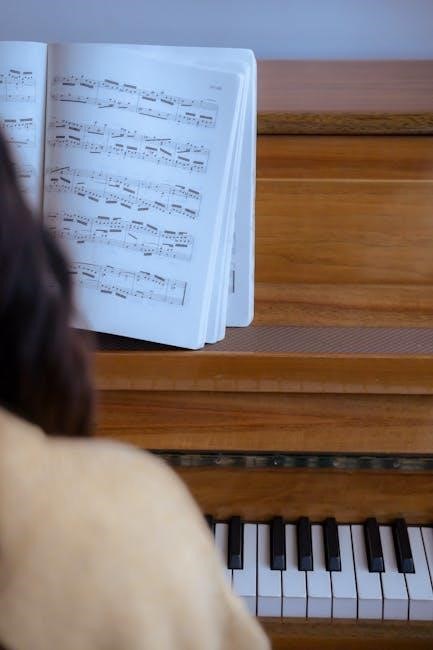
These dynamic contrasts are integral to conveying the etude’s dramatic character and virtuosic flair․ Careful attention to crescendo and diminuendo markings, as presented in the PDF, is essential for shaping the musical phrases․
The score’s dynamic range isn’t merely about volume; it’s about color and expression․ Resources like MuseScore and IMSLP provide clear depictions of these markings, enabling pianists to unlock the full emotional depth of this challenging piece․

Fingering Suggestions
When studying the PDF sheet music for Liszt’s Etude No․ 6, fingering becomes paramount due to its technical demands․ While editions often include suggested fingerings, these should be viewed as starting points, not rigid rules․ The etude’s rapid passages and wide leaps necessitate careful planning to ensure fluidity and accuracy․
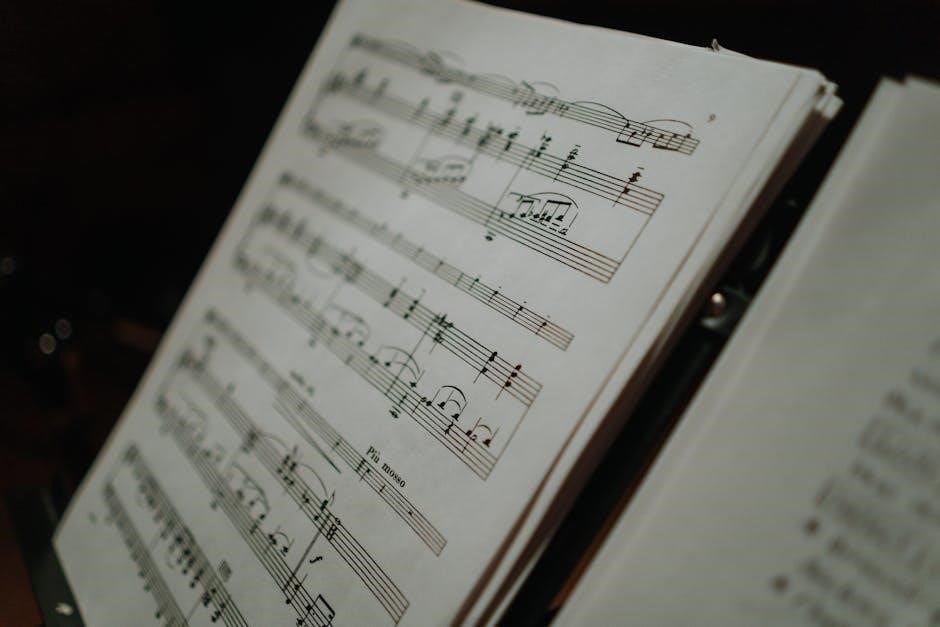
Pianists should prioritize fingerings that minimize hand tension and facilitate smooth transitions between notes․ Experimentation is key; what works for one hand size or technique may not suit another․
Resources like IMSLP and Pianoshelf offer various editions, potentially showcasing differing fingering approaches․ Analyzing these can broaden your understanding․ Remember, effective fingering, clearly marked in your PDF, is crucial for mastering this virtuosic work․
Variations within the Etude
Examining the PDF sheet music of Liszt’s Etude No․ 6 reveals a fascinating structure built around Paganini’s Caprice No․ 2․ The piece isn’t a single, monolithic challenge, but a series of variations on a theme, each demanding unique technical and musical approaches․
The initial theme, presented with clarity, is followed by increasingly complex variations․ These explore different textures, rhythms, and harmonic colors․ Careful study of the PDF score will highlight these shifts, revealing Liszt’s masterful development of the original material․
Understanding these variations – their character and technical requirements – is vital for a compelling performance․ Different editions available online, like those on IMSLP, may subtly differ in their presentation of these nuances․

Practice Strategies for Etude No․ 6
PDF sheet music facilitates focused practice; breaking down sections, developing hand independence, and utilizing memorization techniques are crucial for mastering this demanding Liszt etude․
Breaking Down Difficult Passages
Utilizing readily available PDF sheet music is the first step towards conquering Liszt’s Etude No․ 6․ This piece is notorious for its technical demands, requiring a strategic approach to practice․ Begin by isolating short, challenging phrases – perhaps just a measure or two at a time․ Focus intensely on these segments, practicing them slowly and repeatedly with a metronome․
Pay close attention to fingering; experiment with different options to find what feels most comfortable and efficient․ Once a small passage is secure, gradually increase the tempo․ Then, connect it to the preceding and following phrases, building up larger sections․ Don’t rush this process; accuracy and control are paramount․ The PDF allows for annotation, marking difficult spots and fingering choices directly on the score for future reference․ Remember, consistent, focused practice of these smaller units will ultimately lead to fluency in the entire etude․
Developing Hand Independence
Mastering Liszt’s Etude No․ 6, with the aid of accessible PDF sheet music, demands exceptional hand independence․ The piece features intricate passages where each hand performs vastly different, complex figures simultaneously․ A crucial exercise involves practicing each hand separately, focusing on rhythm and accuracy․ Once comfortable, slowly combine the hands, starting at a very slow tempo․
Use the PDF to highlight areas where hand coordination is particularly challenging․ Consider practicing these sections in rhythmically altered ways – for example, dotted rhythms or syncopation – to force your brain to process each hand’s part independently․ Regularly check for tension in your hands and arms, ensuring a relaxed and fluid technique․ Consistent, deliberate practice, guided by the visual clarity of the PDF score, will gradually build the necessary independence and control․
Memorization Techniques
Successfully memorizing Liszt’s Etude No․ 6, utilizing a readily available PDF sheet music version, requires a multi-faceted approach․ Begin by analyzing the harmonic structure; understanding the chord progressions provides a foundational framework․ Next, break the piece into smaller, manageable sections, memorizing each individually before linking them together․
Visualize the PDF score in your mind, not just the notes, but also the fingerings and dynamics․ Practice away from the piano, mentally playing through sections․ Employ aural memorization by listening to recordings while following along with the PDF․ Finally, perform the etude from memory frequently, gradually increasing the tempo and focusing on musical expression․ Consistent engagement with the PDF and these techniques will solidify the piece in your memory․



About the author