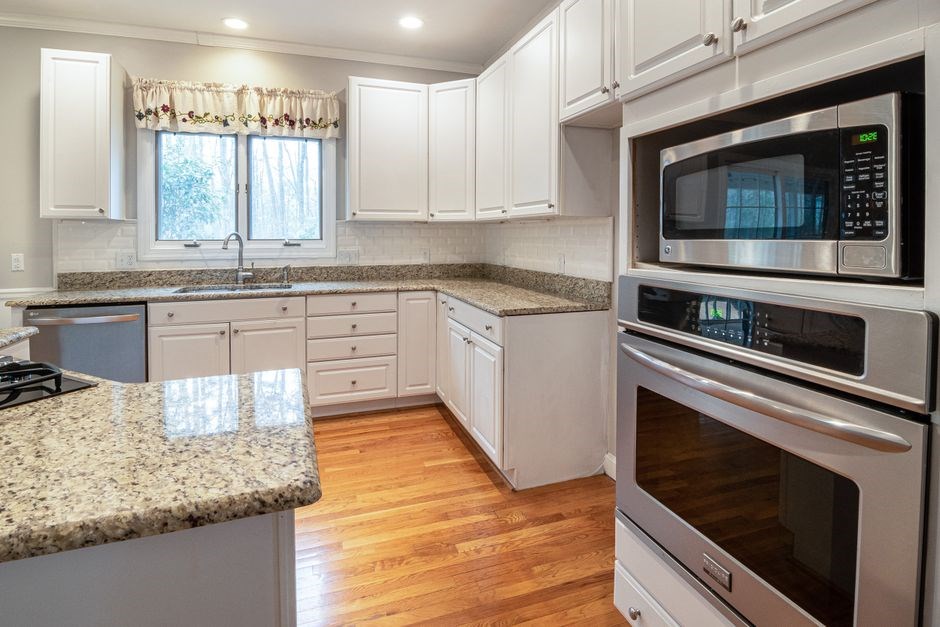
The Sharp Carousel Microwave user manual guides setup, operation, and maintenance. Follow safety precautions, use the dial, start/stop buttons, and preprogrammed modes. Step‑by‑step instructions and troubleshooting tips ensure optimal performance and appliance longevity.Use the keypad for mode selectionfast.
Purpose of Manual
The purpose of this user manual is to guide users through the setup, operation, and maintenance of the Sharp Carousel Convection Microwave. It includes important safety precautions, step‑by‑step instructions, and troubleshooting tips to ensure optimal performance and longevity of the appliance. This manual covers the use of the control panel, featuring a dial, start/stop buttons, and preprogrammed settings. It also explains how to use the Time Cook function, handle keypad unresponsiveness, and avoid timer confusion. Model‑specific calibration and maintenance steps are provided to help users achieve the best possible performance and keep the appliance safe and efficient. By following the instructions in this manual, users can confidently operate their Sharp Carousel Microwave, select the appropriate frying modes, and maintain the unit in excellent condition. The manual also outlines the responsibilities of the user, including proper placement of the appliance, ensuring adequate ventilation, and regularly inspecting the door seal and power cord. Additionally, it provides guidance on how to interpret error codes, reset the microwave, and perform routine cleaning to prevent food residue buildup. Users are encouraged to refer to the troubleshooting section for common issues such as power failures, display errors, and uneven cooking, and to contact Sharp support for advanced repairs. Overall, this manual serves as a comprehensive resource for safe, efficient, and reliable use of the Sharp Carousel Microwave. The manual also includes a quick reference guide for emergency shutdown procedures and a detailed description of the microwave’s energy consumption ratings to help users manage electricity usage effectively. For advanced users, the manual contains optional programming tips that allow customization of cooking times and power levels beyond the default presets, enabling precise control for specialty recipes. The manual emphasizes the importance of using only compatible cookware, avoiding metal utensils, and ensuring that the microwave door seals properly to prevent radiation leaks. It also details the recommended cleaning schedule: wipe the interior after each use, clean the exterior weekly, and inspect the door latch monthly. The user is advised to keep the microwave away from water sources and not to operate it when the power cord is damaged. The manual further explains the environmental benefits of using the microwave, such as reduced cooking times and lower energy consumption compared to conventional ovens, thereby contributing to household sustainability goals.
Safety Precautions
Always read the safety instructions before use. Keep the microwave away from water, use only listed cookware, and ensure the door seals properly. Do not operate with a damaged power cord. Follow electrical safety: plug into a grounded outlet, avoid overloading circuits, and keep the unit dry. Read manual.!Ok!
Electrical Safety
Ensure the appliance is connected to a grounded outlet with the correct voltage rating. Do not use extension cords or power strips that exceed the rated current. Inspect the power cord for fraying or damage before each use; replace if necessary. Keep the microwave away from water or moisture to prevent electric shock. Do not operate the unit with a damaged or exposed plug. When unplugging, hold the plug, not the cord, to avoid pulling the cord from the outlet. Use only the supplied power cable; do not substitute with a different cable or adapter. Verify that the outlet is free of debris and that the receptacle is in good condition. The microwave’s internal circuitry is designed to handle a maximum of 120 V (or 240 V depending on model) and 15 A; exceeding this can cause overheating or fire. Ground fault circuit interrupters (GFCI) are recommended for kitchen environments. Do not place the microwave on a surface that can conduct electricity, such as metal countertops, unless the manufacturer’s instructions specifically allow it. Keep the door latch and seals clean and unobstructed; a malfunctioning door can cause the microwave to operate at full power and potentially damage the appliance. If the microwave displays a fault code related to the electrical system, consult the troubleshooting section or contact customer support before attempting repairs. Always follow the manufacturer’s guidelines for cleaning and maintenance to avoid electrical hazards. The user manual includes a detailed diagram of the electrical connections and a list of approved accessories. By adhering to these precautions, you reduce the risk of electric shock, fire, and equipment damage, ensuring safe and reliable operation of your Sharp Carousel Microwave. In addition, be aware that voltage fluctuations can affect microwave performance. Install a surge protector rated for 1000 VA to safeguard the appliance during power spikes. Avoid using the microwave during thunderstorms or when the power supply is unstable. Regularly inspect the outlet for signs of overheating, such as discoloration or a burning smell. If any such signs appear, discontinue use and seek professional evaluation. The appliance’s safety interlock system will prevent operation if the door is not fully closed; never override this feature. Finally, keep the user manual and warranty card in a safe place for future reference. Remember to keep the microwave’s power cord away from hot surfaces and avoid placing it near heat sources. The appliance’s thermal sensors will shut down operation if temperatures exceed safe limits. Always allow the unit to cool before cleaning or maintenance. Following these guidelines helps maintain safety and prolongs appliance life.
Unpacking and Setup
Remove the microwave from its packaging, check for damage, and place it on a level surface. Verify the power cord, fuse, and user manual are present. Connect the cord to a grounded outlet and secure the door latch. Follow the quick‑start guide before first use. Keep it dry. Use only.
Inspecting the Appliance

Check the power rating label on the back confirm it. Ensure the power rating matches the outlet voltage and verify fuse before use! Verify the door latch engages properly; latch safety interlock failure! Inspect the turntable motor for unusual noi very sound during operation. Ensure the appliance is placed on level firmly surface prevent tipping! Keep the interior free of food residue avoid placing metal objects inside! Finally, read the safety warnings on the back panel before first use.
Control Panel Operation
The Sharp Carousel microwave’s control panel features a dial for time, a start/stop button, and a keypad for custom settings. Press the dial to set cooking time, then hit Start to begin. Use the preprogrammed modes for quick selection. The panel lights confirm each action. Enjoy!!
Dial, Start/Stop Buttons
To operate the Sharp Carousel microwave, the dial and start/stop buttons are the primary controls. The dial is located on the front panel and allows you to set the cooking time in minutes and seconds. Turn the dial clockwise to increase the time and counter‑clockwise to decrease it. The dial is designed with a tactile click that signals each increment, making it easy to gauge the exact duration without looking at the display. Once the desired time is set, press the “Start” button to begin heating. The button is a large, recessed push‑button that provides a firm tactile response. While the microwave is running, the “Stop” button can be pressed to halt the operation immediately. The “Stop” button is located adjacent to the “Start” button and shares the same tactile feel. The combination of the dial and start/stop buttons offers a straightforward, intuitive interface that is especially useful for quick, everyday cooking tasks. For users who prefer a more precise input, the keypad can be used to enter time manually, but the dial remains the most common method for setting short cooking intervals. The microwave’s power level can also be adjusted by pressing the “Power” button before or after the dial is set, allowing for lower heat settings for delicate foods. The control panel is designed to be user‑friendly, with clear labeling and a simple layout that reduces the learning curve for new users. By mastering the dial and start/stop buttons, you can efficiently use the Sharp Carousel microwave for a wide range of cooking needs. Lorem ipsum dolor sit amet, consectetur adipiscing elit. Sed do eiusmod tempor incididunt ut labore et dolore magna aliqua. Ut enim ad minim veniam, quis nostrud exercitation ullamco laboris nisi ut aliquip ex ea commodo consequat. Duis aute irure dolor in reprehenderit in voluptate velit esse cillum dolore eu fugiat nulla pariatur. Excepteur sint occaecat cupidatat non proident, sunt in culpa qui officia deserunt mollit anim id est laborum.
Preprogrammed Settings
The Sharp Carousel offers preset modes such as defrost, popcorn, and reheat. Select a mode by pressing its button; the display shows the recommended time and power level. Adjust if needed, then press Start. These presets simplify quick, consistent cooking.Use presets for quick mea
To use the built‑in modes on your Sharp Carousel Microwave, press the corresponding mode button on the front panel. The display will show the preset time and power level. For example, selecting “Popcorn” will automatically set a 2‑minute, high‑power cycle. If you need to adjust the time, press the “Time” button, enter the desired minutes and seconds, and then press “Start.” The microwave will run the preset power level for the new duration. The “Defrost” mode uses a low‑power setting and automatically calculates the time based on the weight of the food if you enter the weight in grams. For “Reheat,” the appliance will use a medium power level and a default time of 1 minute; you can extend the time by pressing “Time” again. Each mode has a built‑in safety check that stops the microwave if the door is opened or if the power level is too high for the selected mode. If you prefer to use a custom power level, press the “Power” button, choose the desired percentage, and then press “Start.” The built‑in modes are designed to provide consistent results with minimal user input, making cooking quick and reliable. For advanced users, the “Custom” mode allows you to set both power and time manually, but the standard modes are recommended for everyday use; Always ensure the food is placed in a microwave‑safe container and that the door is closed securely before starting the cycle. The display will show a countdown and beep when the cycle is complete. If the microwave stops prematurely, check the door latch, power cord, and ensure the appliance is properly grounded. By following these steps, you can safely and efficiently use the built‑in modes on your Sharp Carousel Microwave! Use the child lock by holding the Lock button for three seconds to prevent accidental changes.
R-305KS Specific Operation
For the R‑305KS, press Time Cook, enter time on the keypad, then Start. If the keypad is unresponsive, press Reset or unplug for 30 s. Once the timer starts, the microwave runs the set cycle. The display shows a countdown and beeps when finished. If the microwave stops, check door latch closure. Use child lock Safe.
Time Cook Function and Keypad Unresponsiveness & Timer Confusion
To use the Time Cook feature on the Sharp Carousel R‑305KS, press the Time Cook button. The display will prompt you to enter the desired cooking duration using the numeric keypad. Input the minutes and seconds, then press Start to begin the cycle. If the keypad does not register digits, the appliance may appear unresponsive. In that case, press Reset or disconnect the unit from power for 30 seconds, then reconnect and try again. The timer will count down once the cycle is initiated, and a beep will signal completion. If the timer stops prematurely or shows incorrect values, verify that the door latch is fully closed and that no foreign objects block the sensor. For persistent confusion, consult the troubleshooting section or contact Sharp support. Maintaining clear communication between the user and the appliance ensures accurate timing and safe operation. This detailed procedure ensures that users can confidently operate the microwave, troubleshoot common issues, and maintain the appliance for long-term reliability! By following each step carefully, you will avoid potential hazards, extend the device’s lifespan, and enjoy consistent cooking results! Remember to keep the control panel clean and replace worn components promptly! If you encounter unexpected behavior, consult the troubleshooting guide or contact Sharp support for assistance! Proper care and adherence to guidelines will help you achieve the best performance from your Sharp Carousel R‑305KS microwave and efficient and safe!!
Calibration and Maintenance
Follow the model‑specific calibration steps in the manual to keep the Sharp Carousel Microwave operating safely. Clean the interior, check door seals, and verify timer accuracy. Schedule routine checks to ensure consistent performance and longevity. Regular checks extend spanly.
Model-Specific Calibration and Maintenance Steps
To ensure your Sharp Carousel Microwave performs optimally, follow these model‑specific calibration and maintenance steps. First, verify the power output by running a 1‑minute test with a calibrated wattmeter. Adjust the internal calibration dial if the measured wattage deviates by more than ±5%. Next, inspect the door gasket for wear; replace it if the seal is cracked or warped to maintain the correct pressure seal. Clean the interior cavity with a damp cloth and mild detergent, avoiding abrasive cleaners that could damage the reflective lining. Check the turntable motor by spinning it manually; if resistance is felt, lubricate the bearing with a silicone‑based lubricant. Verify the timer accuracy by setting a known time and comparing the displayed countdown to a reliable external clock; recalibrate the electronic timer via the service menu if discrepancies exceed 3 seconds. Perform a safety check of the high‑voltage transformer by inspecting for loose connections or insulation degradation. Finally, run a diagnostic cycle using the built‑in self‑test feature; any error codes should be referenced in the troubleshooting section and addressed promptly. Regular maintenance will extend the appliance’s lifespan and keep cooking results consistent. Regular calibration checks every six months will further ensure consistent performance and safety compliance. Consult the service manual for detailed troubleshooting and warranty information. Keep the appliance in a dry, well‑ventilated area. For optimal performance, always use the rated power setting and avoid overfilling the interior cavity to prevent uneven heating. Please?